Why PR Fails Before You’ve Pitched a Single Journalist
You wrote the pitch, picked the publications, sent the email, and nothing happened. PR strategist Laura Perkes, with 22 years of building reputations behind the scenes for other people's businesses, on why the pitch was never the problem.
There is a mistake that almost every founder makes when they decide it is time to invest in PR.
They go straight to the pitch.
They write the press release, identify the publications, craft the email and wait for the coverage to land. When it doesn’t or, when it lands and nothing changes, they conclude that PR doesn’t work for businesses like theirs. That journalists are not interested. That the timing was wrong or the budget was not big enough or the agency they hired did not try hard enough.
What they rarely consider is that the problem was never the pitch.
It was everything that came before it.
The foundation most founders skip
PR isn’t a tap you turn on. It’s not a service you buy, a press release you send or a journalist relationship you purchase. It’s the result of a foundation that most founders have never been asked to build, and that most PR agencies never stop to check before they start pitching.
That foundation has three parts. And every single one of them needs to be in place before a journalist receives anything with your name on it.
The first is perception.
How are you showing up to people who have never heard of you? When someone Googles you, and every journalist will, before they respond to a pitch, what do they find? Is the picture they form of you consistent, compelling and immediately clear? Or is it fragmented, outdated or simply absent?
Most founders are surprised by the answer to this question. They have been so focused on serving their existing clients and building their existing audience that they’ve never stopped to consider how they appear to someone encountering them for the very first time. The journalist who receives your pitch is almost always that person. And they will form an impression before they have read a single word of what you have sent them.
The second part of the foundation is positioning.
Are you the obvious choice in your space, or one of several options that all look broadly similar? This isn’t about being better than your competitors, it’s about being clearer.
The founders who get featured consistently are not always the most qualified or the most experienced. They’re the ones who have done the work of understanding exactly who they serve, what they uniquely offer and why that matters right now. Vague positioning produces vague pitches. And vague pitches do not get picked up.
The third part is visibility.
Are you present in the places your ideal clients actually look, or only in the spaces you have already built? There is a significant difference between being known and being visible. You can be known within your existing network, your warm audience, your loyal followers and still be entirely invisible to the journalist whose readers need to find you. PR cannot do its job if the story it’s telling has nowhere to land.
The question founders never ask
Before you approach a single journalist, before you write a single pitch, before you invest a single pound in PR support, there is one question worth sitting with.
If someone who has never heard of you encountered your name for the first time today, what would they understand about who you are, what you do and why they should care?
If the answer is complicated, unclear or incomplete, that’s not a PR problem, that’s a foundation problem. And no amount of pitching will fix it.
This isn’t a comfortable truth. Founders who have built something genuinely valuable, who have transformed the lives of their clients and who have decades of expertise behind them don’t always want to hear that the press isn’t interested. Not because what they’ve built doesn’t deserve coverage. But because the story around it hasn’t been built yet.
The coverage is never the beginning. It is the evidence of the work that came before it.
What changes when the foundation is right
When perception, positioning and visibility are aligned, when the journalist who receives your pitch can Google you and immediately understand who you are, when your story is singular and clear, when you are present in the places your ideal audience actually looks, something shifts.
The pitch doesn’t feel like a cold introduction anymore. It feels like a confirmation of something the journalist already half knew. The story writes itself. The follow up comes quickly. And the coverage, when it lands, does not exist in isolation. It compounds. One piece leads to the next. One journalist recommends you to another. One feature opens a door you didn’t know existed.
That is what PR actually looks like when it works. Not a lucky break or a well-timed press release. The inevitable result of a foundation built with precision and intention.
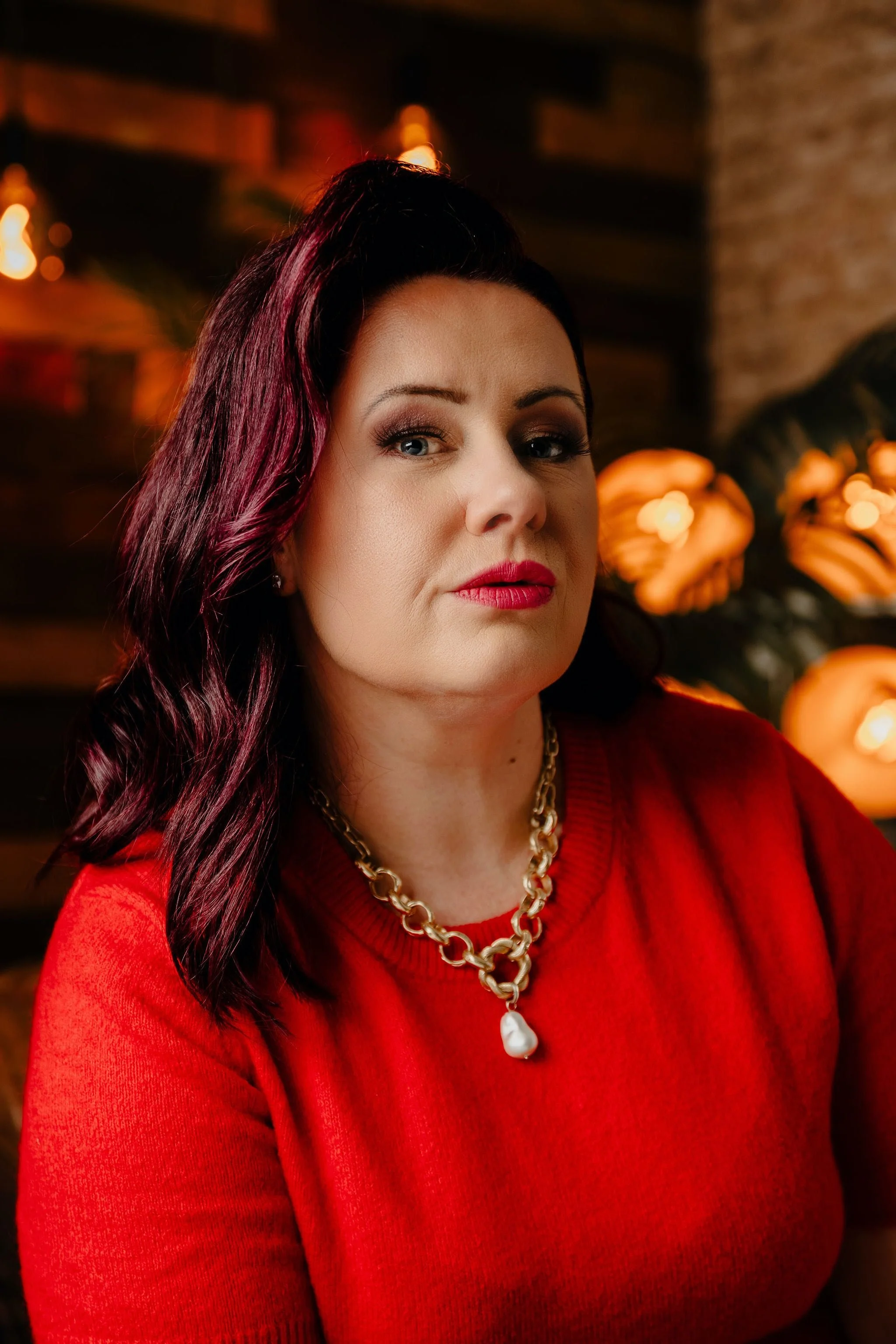
Photo: Laura Perkes
The cobbler's shoes
I’ve spent 22 years building that foundation for other people.
Clients featured in publications that most business owners would love to be featured in. Reputations built, careers launched and businesses transformed by the right story landing in the right publication at the right moment.
And for most of those 22 years, nobody outside my immediate network knew I existed.
I was the cobbler with no shoes. I knew exactly how to build the foundation, but I’d never built it for myself.
When I finally applied the same forensic thinking to my own business, everything changed. Not overnight. Not with one lucky pitch. But steadily, deliberately and in exactly the way I had always told my clients it would.
Doors to opportunities started opening for me, perfect-match clients were scheduling calls with me to discuss working with me and my income and profit started to increase, with ease.
The crazy thing is, the foundation was already there, I just had to build it.
And that’s the work: the foundational structure that’s fundamental in supporting sustainable, long-term business growth. It’s not always glamorous, it doesn’t trend on social media or go viral and it doesn’t generate immediate results or instant gratification.
But it’s the only thing that makes everything else possible. Without the foundation, you risk building your visibility, credibility and reputation on quicksand, making it harder to create an ecosystem to leverage the coverage that took time, effort and energy to earn.