What Brand Photography Does That a Headshot Can’t
A professional headshot has been doing the same job for sixty years: showing strangers you're a credible professional. The Beautiful Moments founder Hetal Trivedi argues that the job hasn't gone away, but it's no longer enough. Here's what brand storytelling images can do that a headshot was never built for, and how to make every photo on your website earn its place.
The headshot has been doing the same job for sixty years. When actors started sending 8x10 portraits to casting directors in the 1960s, the brief was simple: show your face clearly so the people on the other end know who they’re looking at. When the format moved into corporate use in the 1970s and 80s through business directories and real estate boards, the brief remained the same: look credible, look like a real person, look like someone worth meeting with. When LinkedIn arrived in 2003, it didn’t change the brief; it just multiplied the audience.
Founders today still need a headshot for all the same reasons. A polished headshot still tells a stranger you’re a serious professional, which is the hygiene factor every business needs.
What has changed is what a headshot can do beyond that.
For a long time, the photo on your About page was carrying most of your visual weight. There weren't many other images of you online, so the headshot did double duty. It said "this is what I look like" and "this is the kind of professional I am," and that was usually enough. Now, founders are visible across LinkedIn, Instagram, podcast appearances, newsletter banners, speaker decks and proposal templates. The headshot still does its original job, but it can't carry the full story on its own. There's too much surface area for one image to cover.
That's the gap brand photography has stepped into.
Headshots show what you look like. Brand photography shows what you do.
This isn’t a new idea; photographers have been making the distinction for years. But the urgency has shifted. AI can now generate a polished portrait in under a minute, and LinkedIn feeds are filling up with professional-looking images that say nothing. When everyone’s headshot reads the same, the founders who stand out are the ones whose images actually communicate a specific message, service, or transformation.
That’s the work brand photography is built to do, and it starts before anyone touches a camera.
Start with the message, not the shoot
The most significant shift in how I work with founders is the order we do things in. Most photographers run the shoot first, and the client tries to retrofit content around the images afterwards. That’s backwards. Start with what you want the viewer to feel or do, then build an image around it. Every shoot we plan at The Beautiful Moments begins with a conversation about the message before anyone picks up a camera.
Here’s what that can look like in practice:
Showing credibility instead of stating it
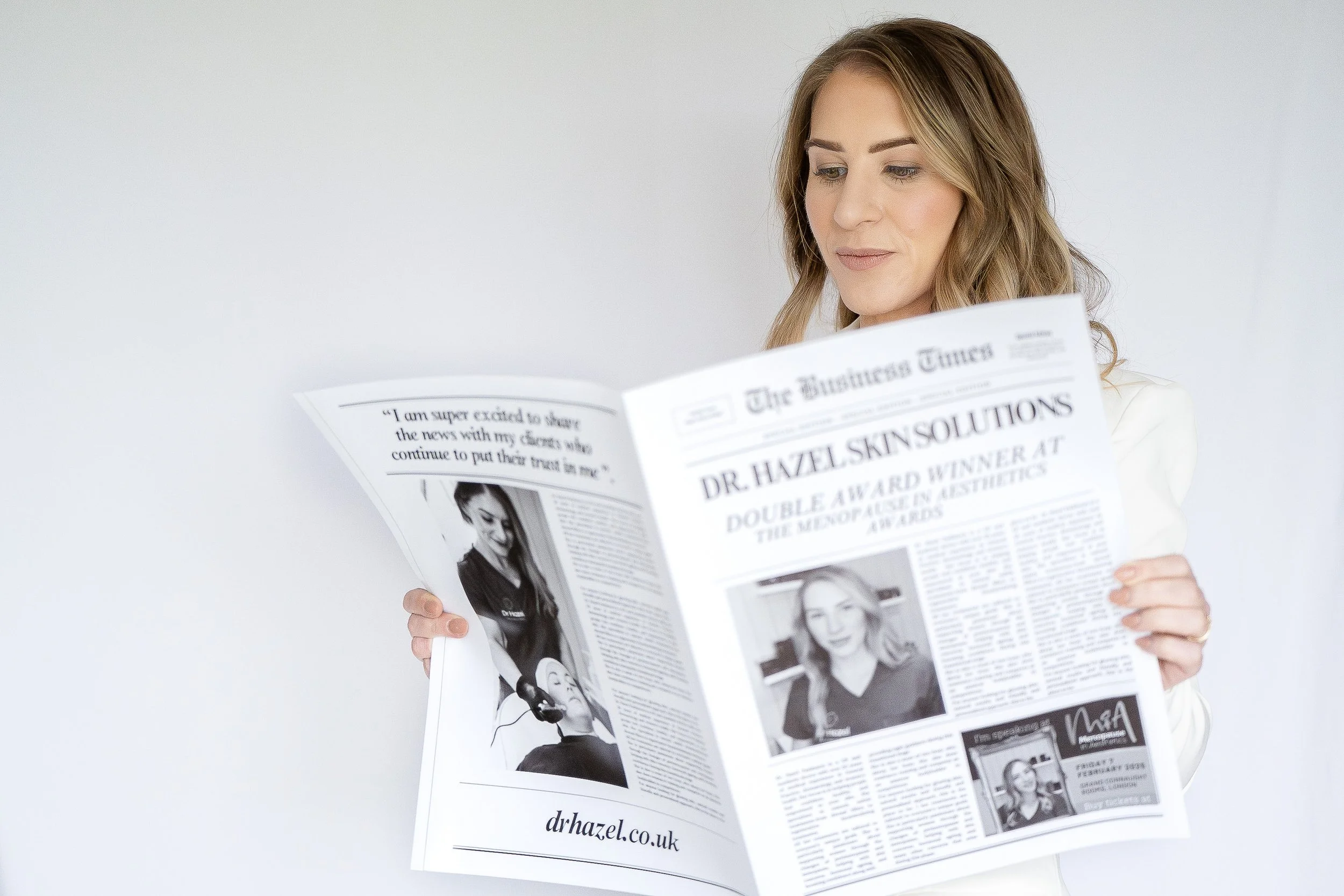
For an aesthetic practitioner who’d just won two awards, we shot her holding a newspaper announcing the wins. Before the viewer reads a single line of copy, they know she’s credible and recognised.
Message: I’m an award-winning practitioner you can trust.
Showing expertise and range
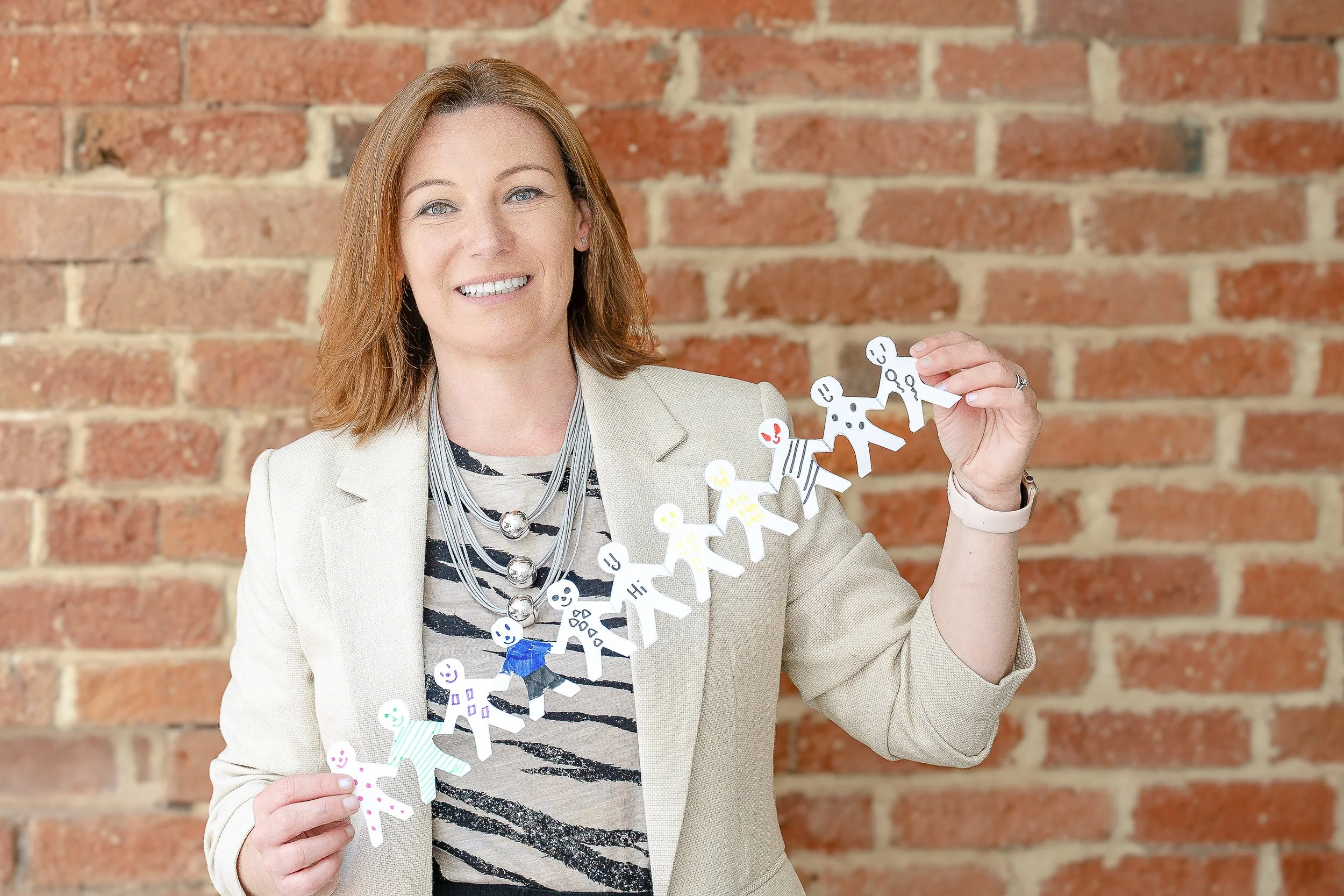
For a founder who runs women’s networking events, we shot her holding a paper chain of linked figures. The image shows her connecting people and building community. We didn’t need a caption to explain it.
Message: I bring women in business together to connect and grow.
Showing the outcome

For a founder helping clients reduce their energy bills, we created an image of money falling around her as she looked up. The outcome was obvious in a second.
Message: I help you save money on your bills.
Showing emotional understanding
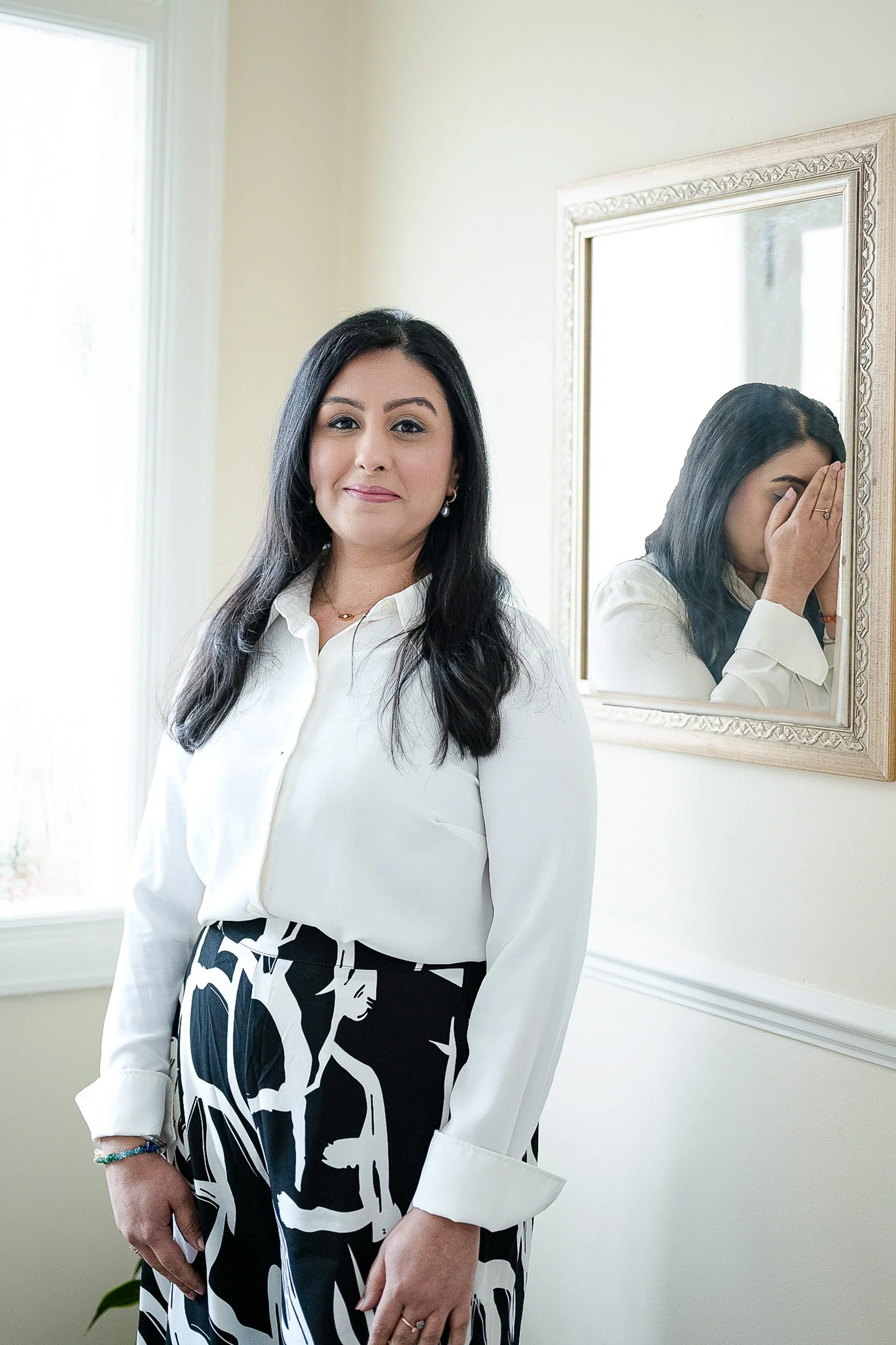
For a coach who supports clients through grief, we used a mirror to show her composed on the outside while the reflection captured her inner emotional state. It gave her audience a way to feel understood before they even read a word.
Message: I understand what you’re going through, even though you’re smiling on the outside.
Showing the problem and the solution

For a mindset coach working with overwhelmed professionals, we surrounded her with thought clouds that mapped the mental load her clients arrive with, alongside the calm she helps them find. Message: I help you move from overwhelm to clarity.
Each one is doing a specific job for the founder it belongs to.
When the visuals and the words match, the marketing gets easier
Plenty of founders invest in good photography and still feel like their content isn’t pulling its weight. The images aren’t badly shot; they were just never built around a specific point. So the same photo gets used for a launch, a recruitment post, a thought leadership piece and a personal update, and the audience never quite understands what makes it different. When the image says the same thing as the caption, the reader doesn’t have to do the work of joining the dots. She gets it faster and remembers it longer. She starts to associate the founder with a specific outcome rather than a vague sense of “she does something with marketing or coaching or wellness.”
That association is what builds familiarity, and familiarity is what builds trust. Trust is what turns followers into enquiries.
The headshot will keep doing its quiet job in the background. Bios, profiles, press, team pages. That isn't going anywhere. But for the visibility a founder is building everywhere else, polished isn't doing the work anymore. The visuals carrying your business need to say something specific.
Your photos shouldn't support your message. They should say it.