Why Degree-Free Talent Helps Grow Your Business
Claudia Stephenson has hired across creative, technology and events for years. She explains why degree requirements are shrinking the talent pool and what businesses gain when they widen the aperture.
For years, industries across creative, technology and events have prioritised CVs stamped with university credentials. Degrees became shorthand for intelligence and readiness. Yet anyone who has hired in the past five years knows this method is shrinking the talent pool rather than expanding it. Roles are evolving faster than curriculums. Technical skills change within months, while the spark required for original thinking has never been handed out as part of a graduation pack.
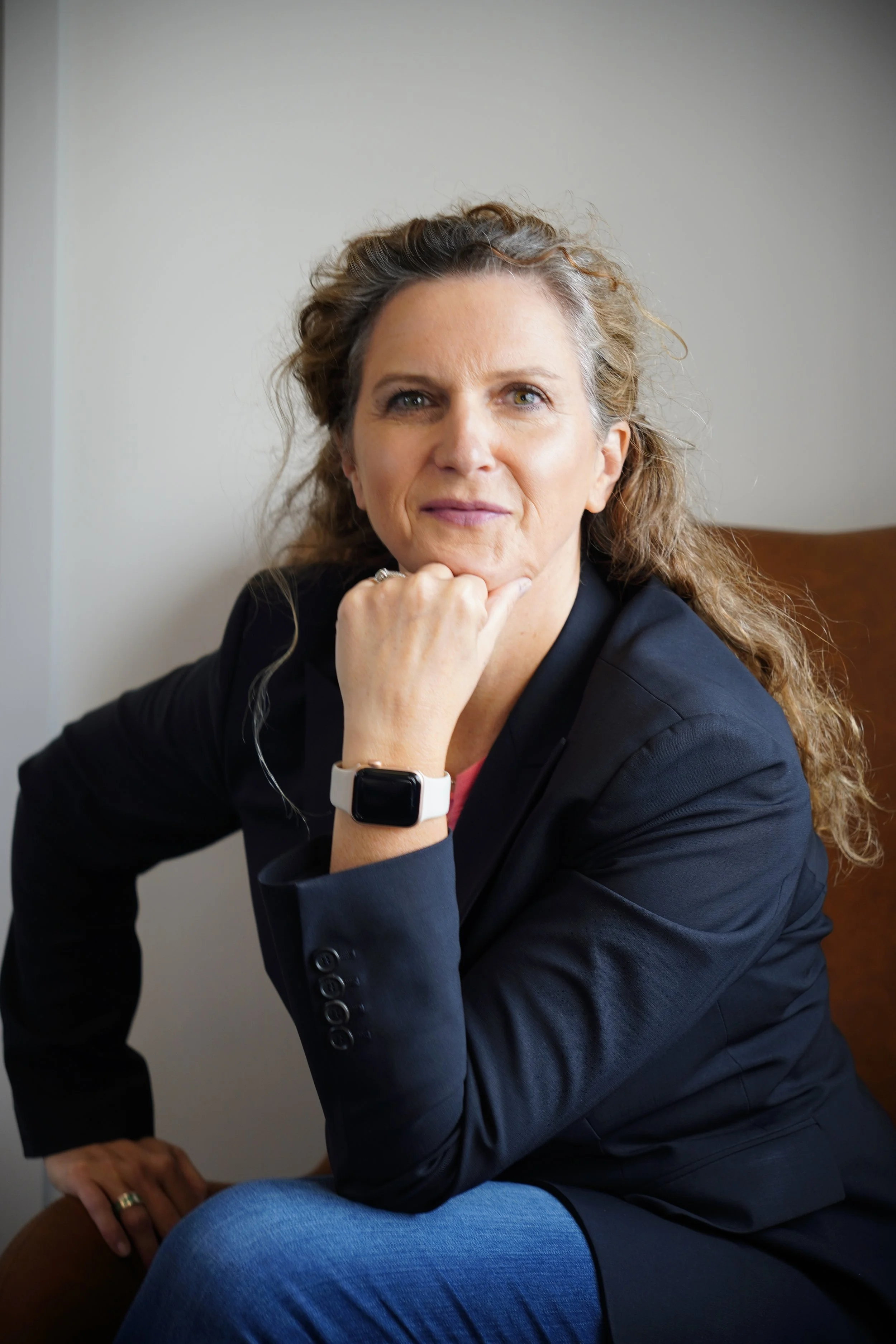
Photo: Claudia Stephenson, Managing Director, EMEA at INVNT
A degree can absolutely help someone thrive, but it does not define capability. Businesses that rely solely on academic criteria often overlook people who learnt by doing, built their skill sets while working part time, cared for family, navigated cultural barriers or simply chose a different route. Talent does not disappear because it takes a non-linear path.
Hiring without degree requirements widens the aperture through which promise is recognised. When teams include people with varied routes into industry, it becomes easier to spot new opportunities and new ways of solving problems.
What degree-free talent brings into a workplace
Degree-free talent often arrives with scrappiness and resourcefulness built into how they work. They have learnt to self-teach, ask questions early, whilst collaborating without ego. Many have experience juggling real-world demands, which gives them resilience and adaptability during pressure cycles. These qualities matter just as much as technical skill and sometimes more.
There is also value in the creative interpretation that comes from learning by exposure, not instruction. Someone who enters through an alternative route may not share the same assumptions as university-trained cohorts; they might challenge processes that have gone unquestioned, leading to seeing pathways others miss. They may also reflect the lived experiences of consumers who rarely see themselves inside boardrooms, strategy sessions or creative briefs.
When businesses prioritise this mix, they cultivate teams that are skilled and highly dynamic. This leads to greater experimentation, faster iteration and richer creative output. In a world where industries shift rapidly, these traits matter.
Why degree-free talent supports diversity and representation
When degree requirements are used as a default filter, many potential applicants self-select out before even trying. Removing that barrier signals inclusion and the shift widens the demographic mix entering the pipeline: diversity becomes more natural when education pathways are not the gate.
More importantly, representation shifts internally. Entry routes open for people without financial access to university with voices from non-traditional backgrounds beginning to shape culture and thinking. Our industry then becomes a place where potential is recognised in many forms. Aim to broaden your creative range and connect brands to more communities. Additionally, businesses should aim to build internal empathy; there is power in seeing a workplace that reflects real audiences and not a narrow slice of them.
When decision-making tables are filled with people who see the world differently, ideas travel further. Messaging reaches new audiences with campaigns resonating more deeply.
A real example of degree-free opportunity in action
Desislava Nikolova, Production Coordinator at INVNT, shares her experience, "Before Brixton Finishing School, I felt invisible in a sea of CVs. But BFS gave me the chance to connect with industry professionals face-to-face and show who I am. Just 18 months later, I’ve gone from intern to Production Coordinator at INVNT. It’s fast-paced and creative, with projects like a Female Quotient x Hitachi Vantara event at NVIDIA GTC, where I handled branding, activations, F&B, venue comms, and AVL. Most recently, I worked with PepsiCo in Barcelona, and helped deliver an amazing blend of strategy and storytelling."
INVNT works with Brixton Finishing School to enrich their employees with degree free talent.
How degree-free hiring supports business resilience
Workplaces that embrace mixed entry routes stand out in volatile markets. They develop talent deeply rather than relying solely on fully formed hires and can train people in live environments and shape skills specifically around organisational needs. These teams also tend to solve problems faster because employees are used to working beyond a single comfort zone.
As industries continue to merge disciplines, skills become more fluid. Someone who begins in a support role might work in content six months later. A coordinator could become an experiential strategist with the right exposure. Learning happens on the job as much as in classrooms and degree-free talent often adapts well to these shifts because career-building has always been flexible for them.
For businesses, this means broader creative thinking and a stronger pipeline of future leaders who understand multiple parts of the work. The talent becomes as agile as the industry itself.
Closing thought
Start to view degree-free hiring as an evolution of how industries recognise potential and build capability. It expands who gets seen, who participates and who leads. It strengthens creativity by combining diverse experiences rather than uniform backgrounds. And while academic routes will always hold value, they are no longer the only route worth backing.