How Your Environment Shapes the Way You Think, Work and Lead
We spend years optimising our calendars and workflows, but barely a thought on whether our surroundings are helping or hindering us. Rachel Clacher, Co-Founder of Coertze + Clacher, explains why the environment is never neutral and what that means for how we build our business.
For most of my career, I've been fascinated by the relationship between people and place.
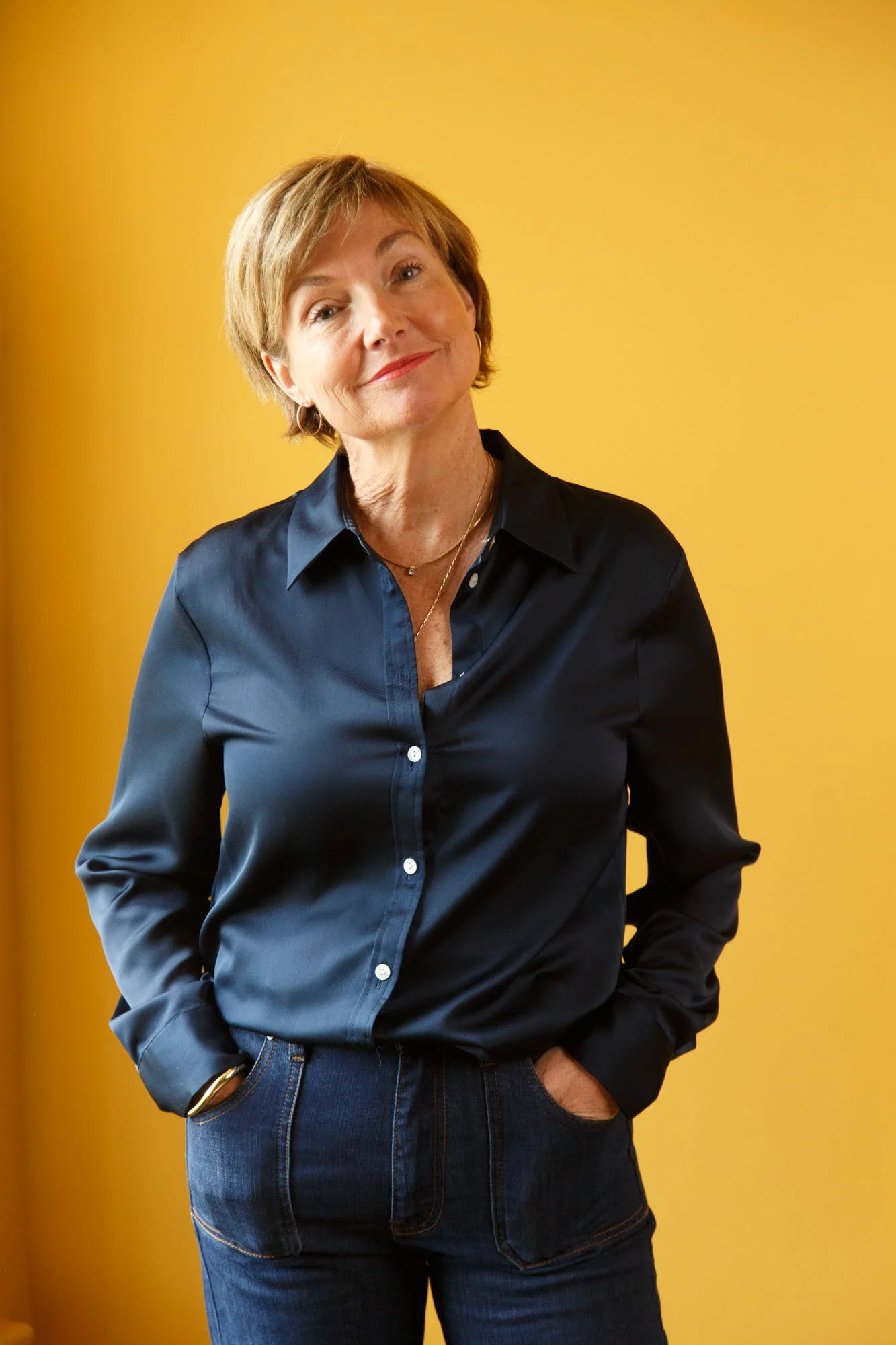
Photo: Rachel Clacher, Co-Founder of Coertze + Clacher
Whether building a business, creating a workplace or designing a home, I've always believed that environment matters more than we often realise. The spaces we spend our time in always end up shaping how we think, feel, create and connect.
It was a founding principle when we built Moneypenny, the global communications business I co-founded with my brother. Long before conversations about employee wellbeing became mainstream, we were thinking about how a workplace could make people feel. We wanted to create an environment that was uplifting, welcoming and human because we understood that culture doesn't exist separately from place. The two are deeply connected.
Looking back, that belief has followed me throughout my career. It shaped the way we built Moneypenny, and today it influences my work with Coertze + Clacher, creating homes designed around people rather than simply function.
Environment is Never Neutral
On the surface, communications and luxury property couldn't be more different industries.
But for me, they are connected by a single idea: people thrive when their environment supports them.
At Moneypenny, we saw first-hand how thoughtfully designed environments could influence confidence, creativity, collaboration and wellbeing. We invested enormous thought into creating spaces that felt uplifting, welcoming and inspiring. Not because they looked impressive, but because they helped people perform at their best.
We saw confidence grow. Creativity flourish. Relationships strengthen. People spent more time together. They collaborated more naturally. The environment wasn't simply housing the culture; it was actively helping to create it. And that lesson has stayed with me.
What Mallorca Taught Me About Space
Living between North Wales and Mallorca has given me an interesting perspective on environment. On the surface, they couldn't be more different, yet both have reinforced the same lesson: people thrive when they feel connected to the place around them.
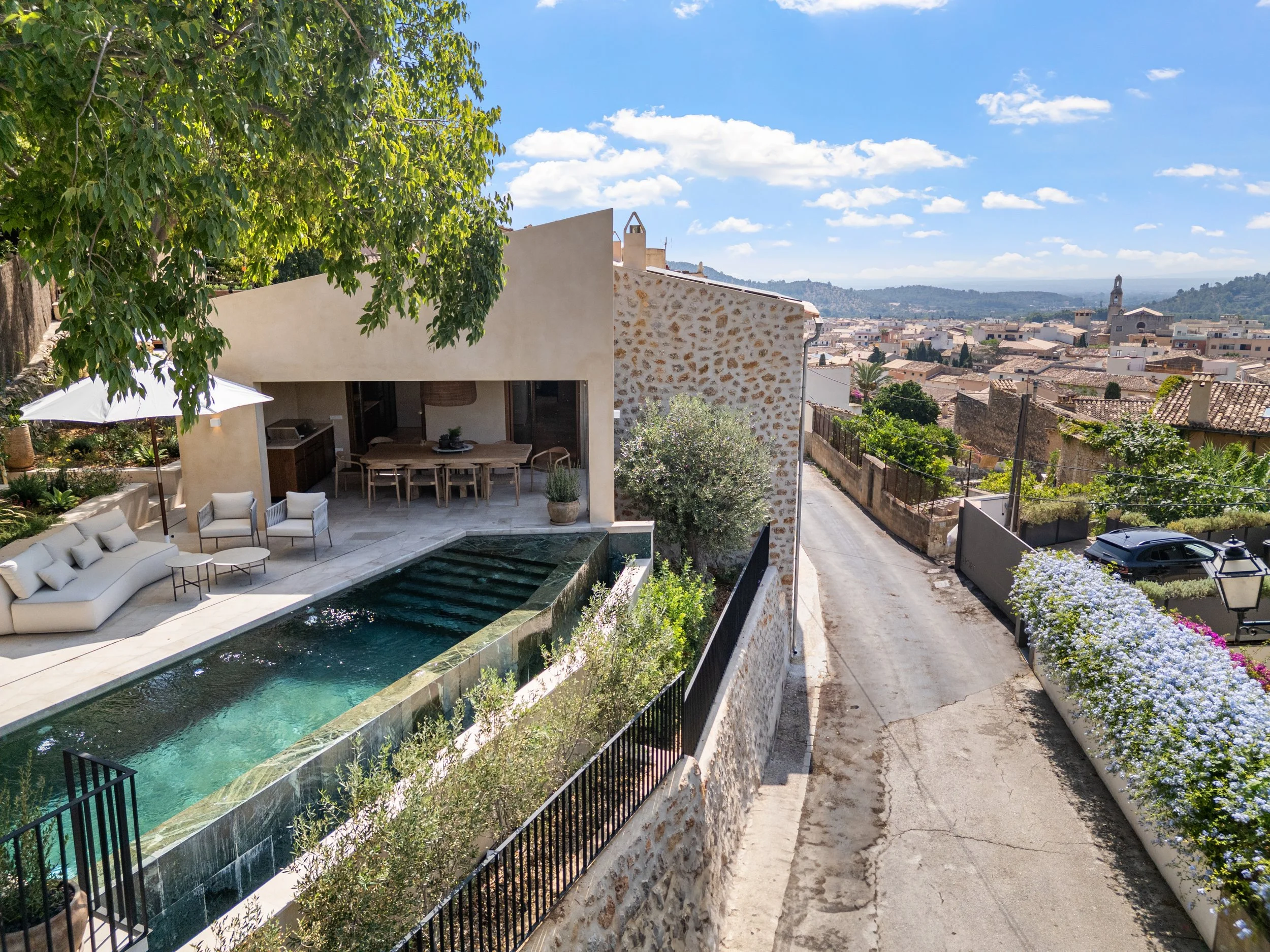
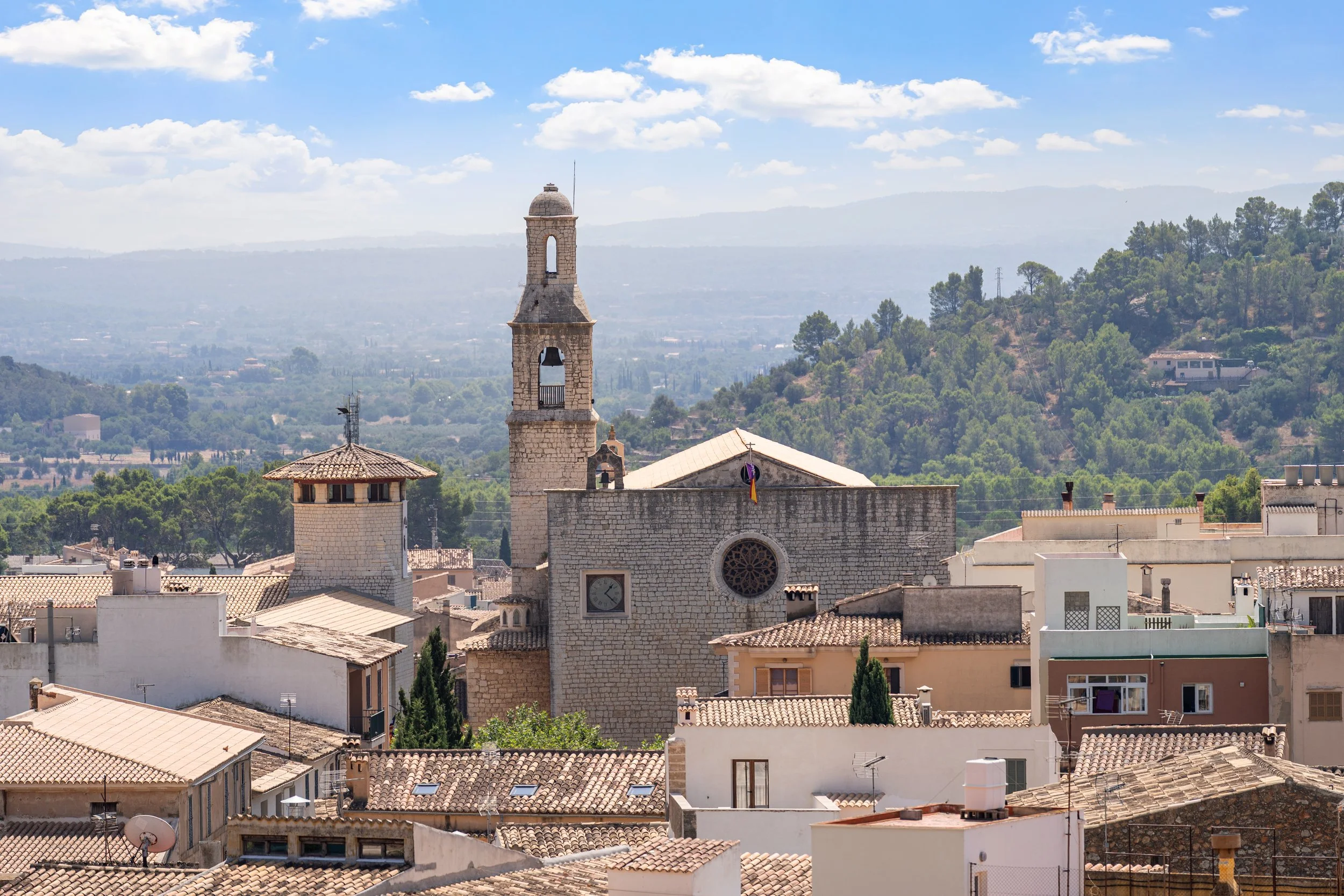
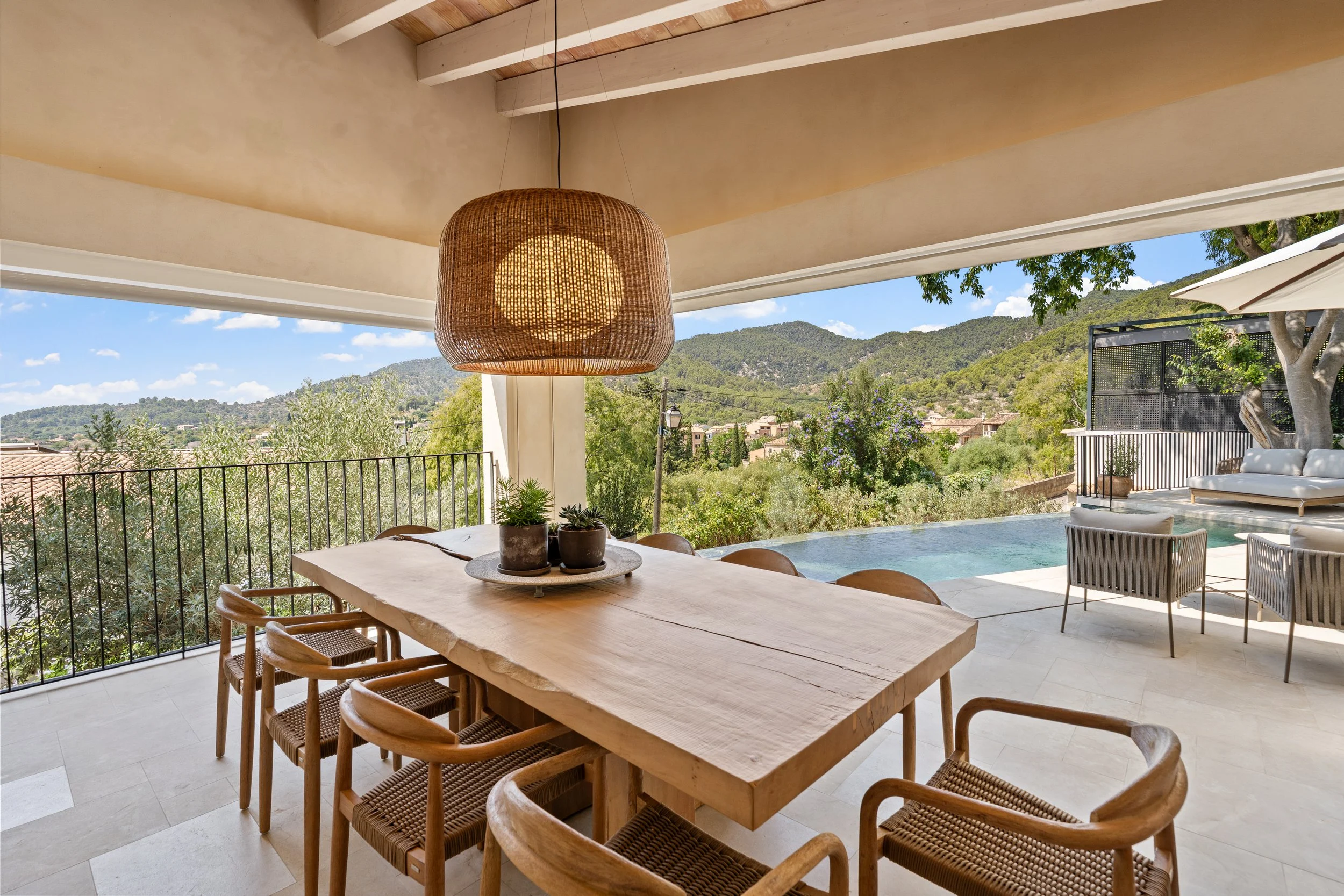
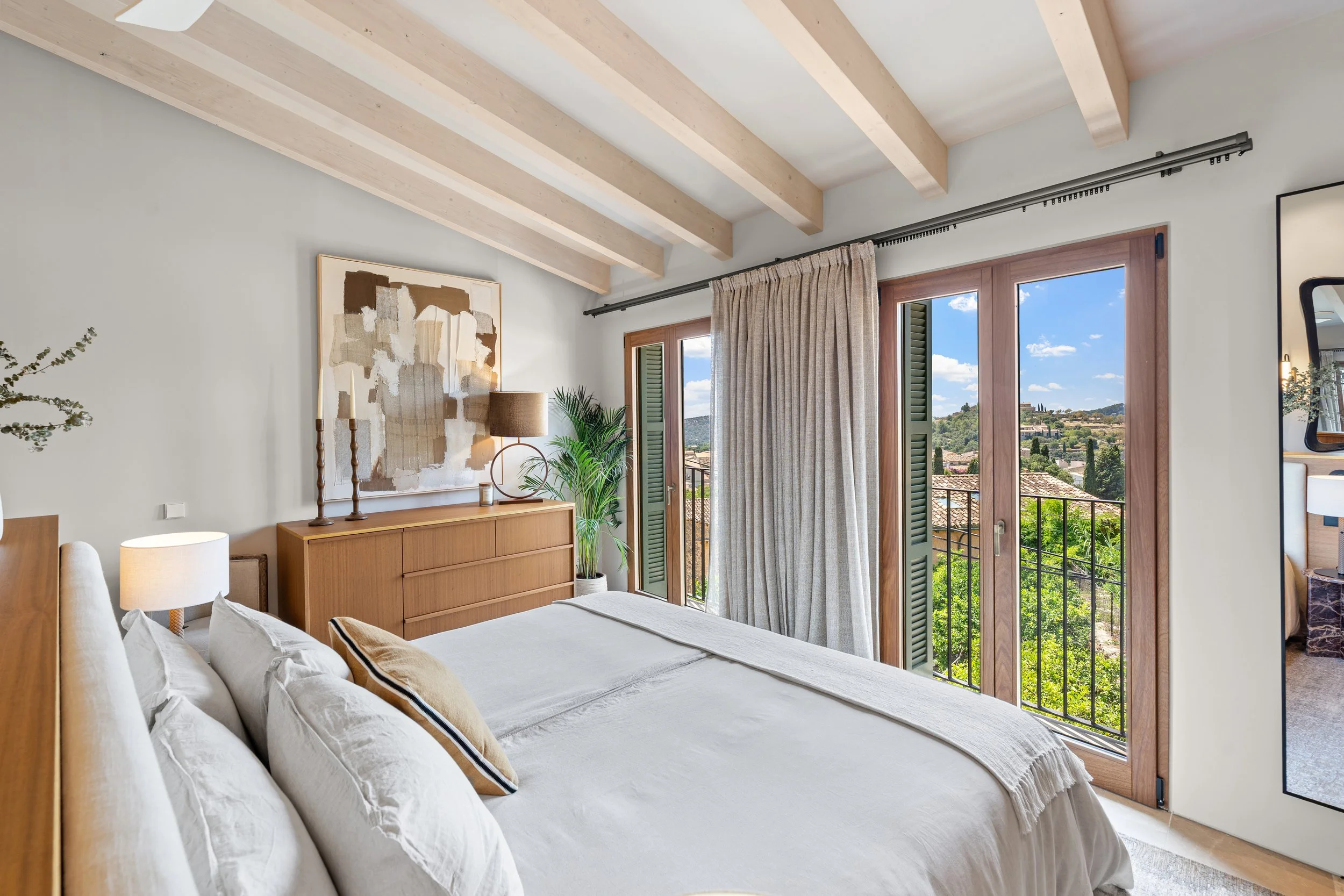
In Mallorca, I noticed people seemed to use time differently. Conversations lasted longer. Meals stretched into evenings. Homes opened naturally to the outdoors. There was less separation between life and work, people and place.
There was a connection between environment and wellbeing that felt instinctive rather than engineered. It also reinforced something we believe strongly at Coertze + Clacher today: that the best spaces don't impose themselves on people. They work with the landscape, local materials and the rhythms of everyday life to create somewhere that feels as though it truly belongs.
And whilst I'm certainly not suggesting we all move to a Mediterranean island, I do think there is something founders can learn from it.
Many of us spend years optimising our calendars, systems and workflows, but very little time considering whether our surroundings are helping or hindering us.
Do we have space to think?
Do we have access to natural light?
Do we feel calm where we work?
Do the spaces around us encourage connection, or isolation?
These questions matter more than we often realise.
Designing Around People
Through Coertze + Clacher, we often talk about designing around a life rather than a floorplan. The same principle applies to business. Great environments aren't simply efficient; they support the people who use them.
That's true whether you're creating a workplace, a home or a company culture.
The most successful founders I know understand that people perform at their best when they feel their best. Environment is part of that equation. It influences our energy, our relationships, our wellbeing and ultimately the quality of the decisions we make.
For me, that's the thread connecting everything I've built.
I've never really been interested in buildings for their own sake. What fascinates me is the impact they can have on the people who inhabit them.
I've always been interested in people.
The buildings, workplaces and homes are simply the framework that helps people thrive.
And when we get that right, extraordinary things can happen.