
Makeup for Video Calls, Podcasts and On-Camera Days: A Quick Guide for Founders
Feeling like you're fighting your own reflection on video calls? Barbara Ayisi, a professional makeup artist, shares the simple camera-ready routine that helps founders show up looking composed and completely themselves.
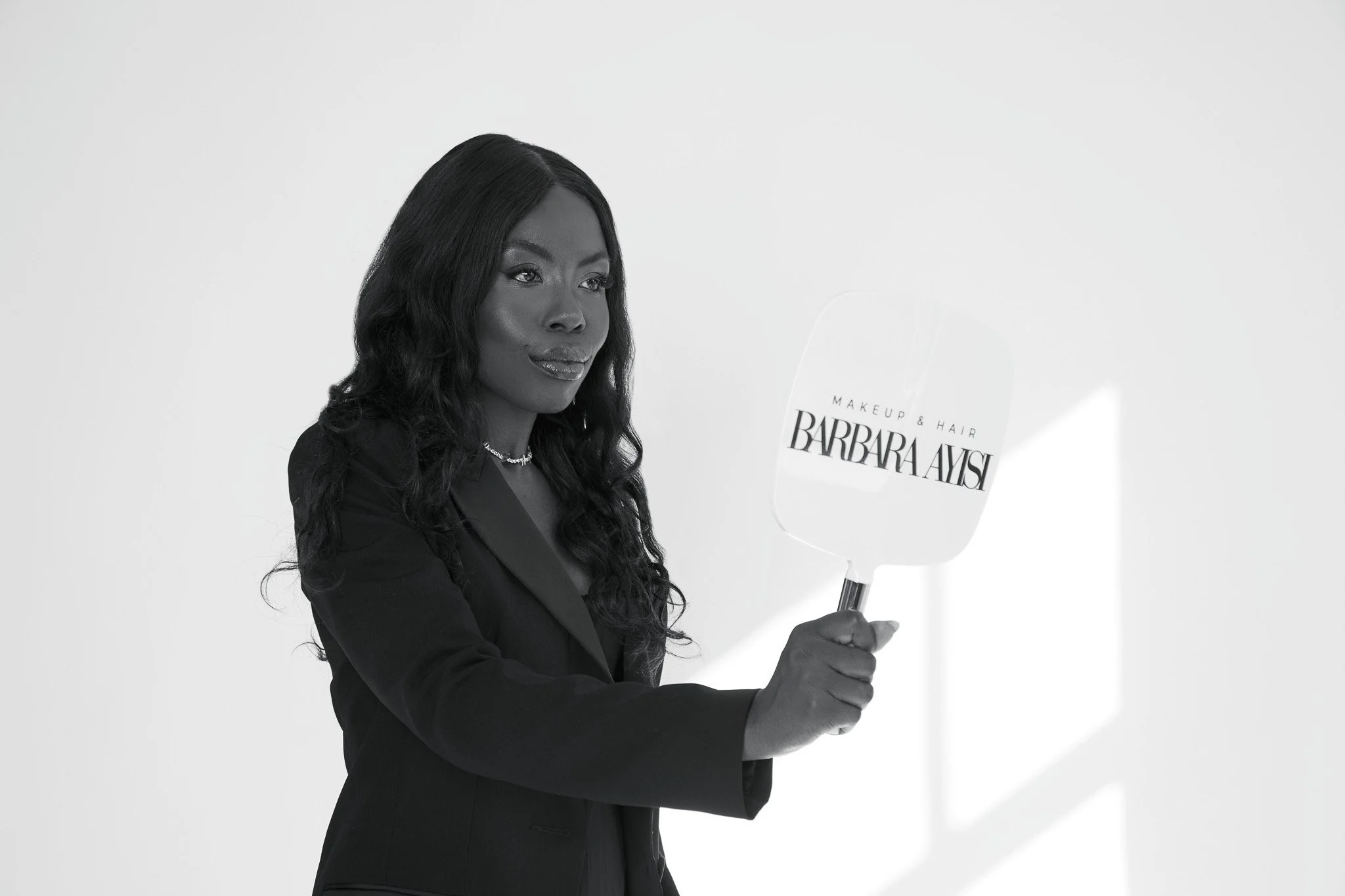
You don't need heavy makeup or full glam to look great on camera, just a few smart adjustments that enhance your natural features and help you feel confident showing up. Whether you're leading a workshop, recording a podcast interview or joining a virtual meeting, a simple camera-friendly routine can make the difference between feeling composed and feeling like you're fighting your own reflection.
Here are the techniques that professional makeup artists use to help clients look polished, present and completely themselves.
Start with skin, not makeup
A camera-friendly look starts with skincare, not foundation. Prep your skin with a hydrating moisturiser (Bobbi Brown Vitamin Enriched Face Base is a particular favourite for creating a smooth, radiant base), and if you're tired, a nourishing eye cream (like Kiehl’s Creamy Eye Treatment with Avocado softens fine lines and refreshes the under-eye area before you've touched anything else). Finish with a lip balm. Well-prepped skin reflects light naturally, which gives you that healthy, lit-from-within quality that foundation alone rarely achieves.
Brighten the eyes first
Lighting on video calls tends to exaggerate shadows under the eyes; it's one of the most common things that makes founders feel they look tired on screen even when they're not. A brightening concealer like NARS Soft Matte Complete Concealer evens out tone and subtly lifts the face. Then curl your lashes and apply a volumising mascara. It's one of the quickest ways to look more awake and engaged, and on camera it reads as presence rather than effort.
Define Your Brows
Brows frame the face and help your features register on screen in a way that bare brows often don't. Use a brow pencil or tinted gel to softly fill any sparse areas and enhance your natural shape: small, feathery strokes keep it natural while still adding structure. For early morning calls or light content days, defined brows and lifted lashes are genuinely enough.
Add a flush of colour
Cameras flatten natural colour more than most people realise. Blush brings life back into the face in a way that looks effortless on screen but makes a noticeable difference. Cream formulas like Glossier Cloud Paint blend into the skin beautifully - apply to the apples of your cheeks and blend slightly upward for a lifted effect. This is the step most people skip and the one that makes the most difference.
Choose a lip colour that feels like you
For a subtle finish, a tinted balm like Bobbi Brown Extra Lip Tint adds colour while still feeling effortless. If you prefer something bolder (a classic red or berry tone can feel genuinely empowering on camera) just choose a shade that works with your undertone rather than against it.
Control Shine Without Losing Your Glow
Cameras amplify shine, particularly across the forehead and nose. A light translucent powder or blotting papers reduces excess oil without flattening the skin. Finish with a hydrating setting spray to keep everything looking fresh. The goal isn't matte perfection - it's balanced, natural skin that reads well on screen.
Sort Your Lighting
Makeup helps, but lighting makes the biggest difference of all, and it costs nothing to get right. Sit facing a window to use natural daylight, or position a ring light or soft LED panel in front of you rather than above or behind. Overhead lighting casts shadows under the eyes that no concealer fully fixes. Position your camera at eye level or slightly above, and the difference is immediate.
Camera-ready makeup isn't about covering up - it's about helping you feel ready to be seen. When you feel comfortable on screen, your message lands more clearly and your presence feels more natural. A few minutes of preparation before you hit record is one of the smallest investments with one of the highest returns for any founder who shows up professionally on camera.
More like this:
What to Wear on a Plane (the same practical approach to looking composed when it matters)