
Sophie Neall on Building Good Kynd: “We Changed the Recipe 70 Times”
Sophie Neall stood in front of a drinks fridge in London and realised nothing on the shelf felt right. So she and her co-founder, and partner, Aiden Murray changed the recipe 70 times until something did.
When Sophie Neall talks about Good Kynd, she doesn’t start with scale. She starts with standing in front of a drinks fridge in London and realising that nothing on the shelf felt right.
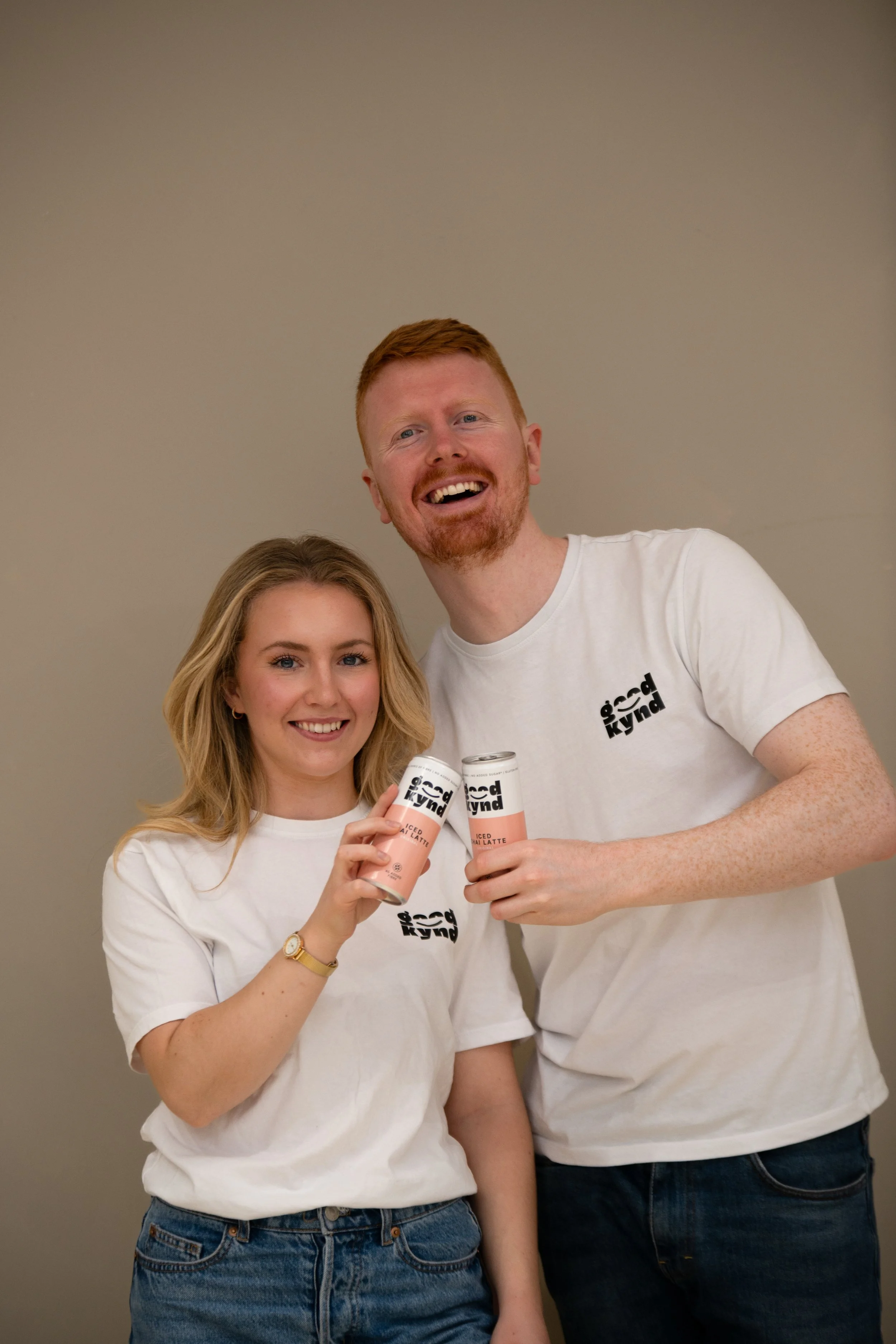
Photo: Sophie Neall and Aiden Murray, Founders of Good Kynd
Now she and her co-founder, and partner, Aiden Murray are building a vegan oat iced chai brand with added fibre and no carbonation, stocked locally and recently featured in Good Housekeeping. It looks polished. The journey to get there hasn’t been.
We began by going back to before Good Kynd existed at all.
You were on quite a traditional career path before this. How did accounting become your starting point?
SOPHIE: I didn’t want to go to uni, so I started looking at degree apprenticeships when I was doing my A levels. I did economics and business, and we had an accounting element within that. I just really liked it - I was good with numbers. So I applied for an apprenticeship in that route and got a job in London at Buzzacott as an auditor. As part of the apprenticeship, I completed my AAT. That’s also where I met Aiden.
We were in the same cohort. We both lived locally, so we’d get the same train together - and now we’re together.
I always wanted the corporate London experience, and it was great for a while. But it got to a point where going into the office five days a week, with the pressure and deadlines, just didn’t align with me anymore. Once we completed our AAT, we had the choice to stay and do our ACA - which would have tied us in for another three years, or leave. So we left.
When you left, did you know you wanted to build something in food and drink, or did that come later?
SOPHIE: That definitely came later. I’ve always loved chai. At coffee shops, I’d always choose that because I don’t like coffee - I don’t like the taste or how it makes me feel. Chai felt like a good alternative. It tasted good, and it felt good.
When we were working in London, we would regularly buy ready-to-drink options. I’d stand in front of the fridge and feel like the only options were coffee or sugary, fizzy drinks.
I’ve also struggled with gut health for years. I have IBS, so I was always trying to find something that would make me feel better rather than worse.
The prebiotic drinks on the market have added fibre, but they’re all carbonated - and that made me feel worse. So we wanted to create a drink with fibre that didn’t cause that bloated, uncomfortable feeling.
So once you had the idea, what did actually building it look like in reality?
SOPHIE: At the start, we didn’t really know where to begin. We tried making it at home, but quickly realised we couldn’t commercialise it that way. So we worked with a product developer.
We started in February last year, and it took a long time to get there. I think we changed the recipe 70 times.
It was disheartening. Sometimes we’d wait three or four weeks for the next batch of samples, try them, and literally have to spit it out in the sink because it was so bad. And each time, that’s money. You start thinking, how are we ever going to get this right?
Seventy attempts would put a lot of people off. You were also raising investment at the same time, what did that feel like?
SOPHIE: Raising investment is difficult. Every investor wants something different. Some care about the story, some care about the numbers, and some don’t want to see numbers at all.
We had one investor who offered us all of the money we were asking for. But I really trust my gut, and I felt like he wanted too much. We didn’t build that bond. Even though we were at a stage where we were desperate, I didn’t feel right about it, so we said no.
In a way, not raising all of that money at the start has helped us grow the right way. It’s stopped us from throwing money at things we didn’t need. Every decision has had to be intentional. There’s definitely a silver lining in that.
Looking back now, what caught you off guard about starting a business?
SOPHIE: I don’t think we realised just how difficult the journey would be. I honestly think naivety is key when starting a business. If I had known absolutely everything, would I have jumped into it? I’m not sure.
I’ve definitely struggled with imposter syndrome - thinking, why me? But for me, it always comes back to belief.
You’re building this with your partner as well as your co-founder. How does that dynamic actually work day to day?
SOPHIE: We can be quite different in how we think, and I actually think that’s a blessing. I’m someone who doesn’t want to put anything out there until it feels perfect, whereas Aiden is much more like, no, we need to move and get it out there. So it balances us. It means we launch things at the right time and at a good level.
Because we’re in a relationship as well, it can blur. We’re working seven days a week and sometimes you don’t know when the off time is. But we’re both strong enough to say, right, we’re done with work now. And we both want the same outcome. We’re not working towards different goals. That makes it easier.
You keep coming back to belief. What does that actually look like for you day to day?
SOPHIE: I genuinely feel like it’s my superpower. From a young age, I’ve always visualised my future. I’m very visual, so I can see things clearly in my mind - I’ve already mapped out my next ten years.
It helps me adjust and change direction when I need to. I can manifest both long-term and short-term goals. Everything I’ve done has come from that belief.
You speak very confidently about belief, but are there areas where you still feel out of your depth?
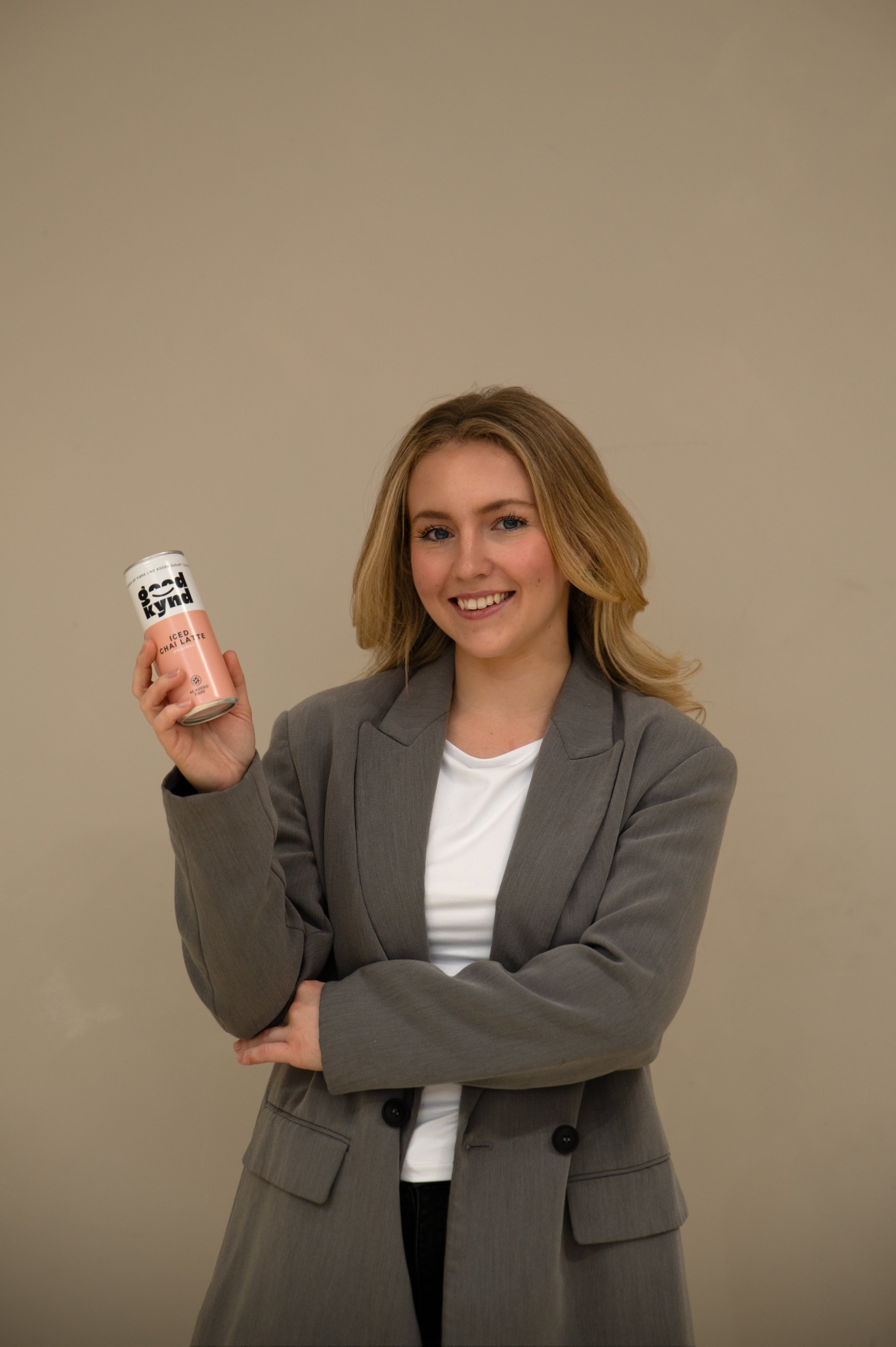
Photo: Sophie Neall
SOPHIE: Social media is definitely one. I really struggle with it. I get in my head too much. I think because what we consume now is so polished and so perfect, it can feel intimidating to start when yours isn’t like that. A few years ago, everyone was just putting things out there and it felt normal. Now it feels harder.
But I also think people just want to see normal. Everyone needs that reminder that we’re all figuring it out.
If someone reading this is sitting on an idea but feels like it isn’t ready yet, what would you say to them?
SOPHIE: “Be open to every idea - even the ones that seem small or nowhere near perfect. You never know what they might spark.
The best ideas rarely arrive fully polished. They evolve. One thought leads to another, and before you know it, something that started off average has been shaped into something genuinely amazing - even if it doesn’t happen in one day. But that only happens if you allow yourself the space to think freely and not judge ideas too quickly.
Don’t wait for the ‘perfect’ idea. Start with what you have. Say it out loud. Write it down. Share it. Give your mind space to expand on it.
Then take action. Because ideas on their own don’t change anything - execution does. Turning something that once existed only in your head into something real that people can experience is one of the most rewarding feelings there is.
So my advice is simple: welcome every idea without judgment, start before you feel ready, and then take action to make it real.